
IMMERSIVE SCOTLAND
Connecting Creativity, Technology and Communities Across Scotland
Immersive Scotland was a national research and knowledge exchange network led by Robert Gordon University and funded by the Royal Society of Edinburgh. Bringing together universities, creative practitioners, technology specialists, industry and cultural organisations, the network explored how immersive technologies could support innovation, collaboration and new opportunities across Scotland’s creative and cultural sectors.
The project responded to the growing potential of Augmented Reality (AR), Virtual Reality (VR) and interactive digital experiences, alongside the challenges faced by smaller creative businesses and cultural organisations in accessing specialist technologies, skills and collaborative networks.
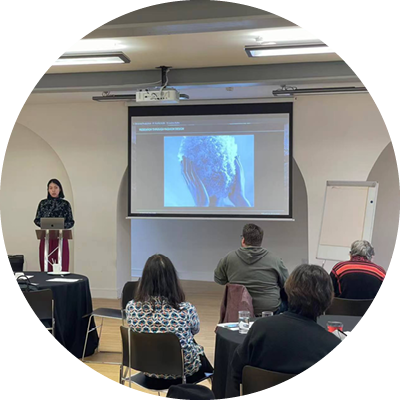
Through a programme of interdisciplinary workshops, practical demonstrations, creative experimentation and community outreach, Immersive Scotland connected expertise across art and design, craft, computing, education, tourism, heritage and the creative industries.
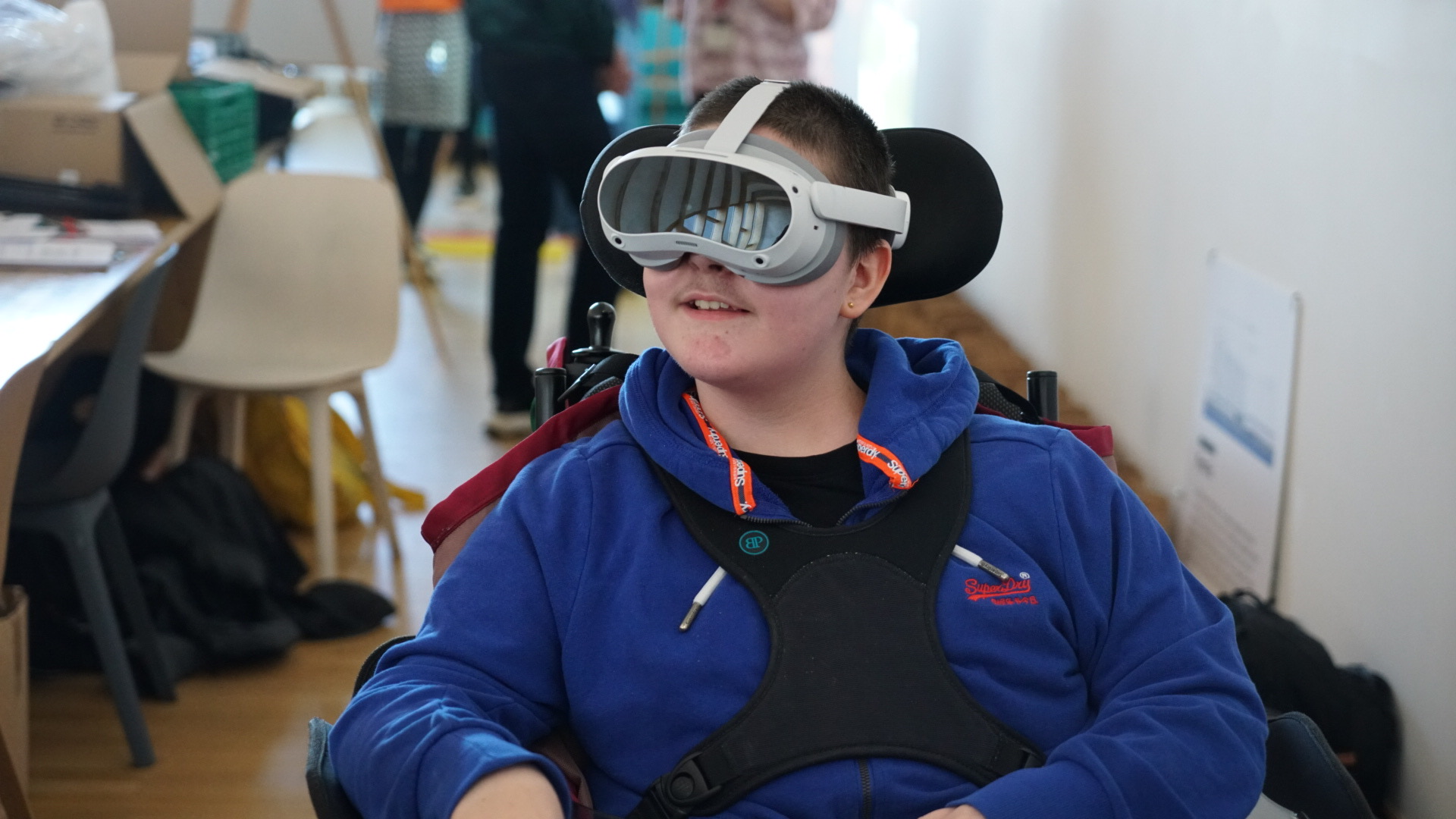
A particular emphasis was placed on accessibility and inclusion, extending opportunities beyond Scotland’s central belt to island and rural communities, and encouraging participants from different disciplines to explore new ways of working together.

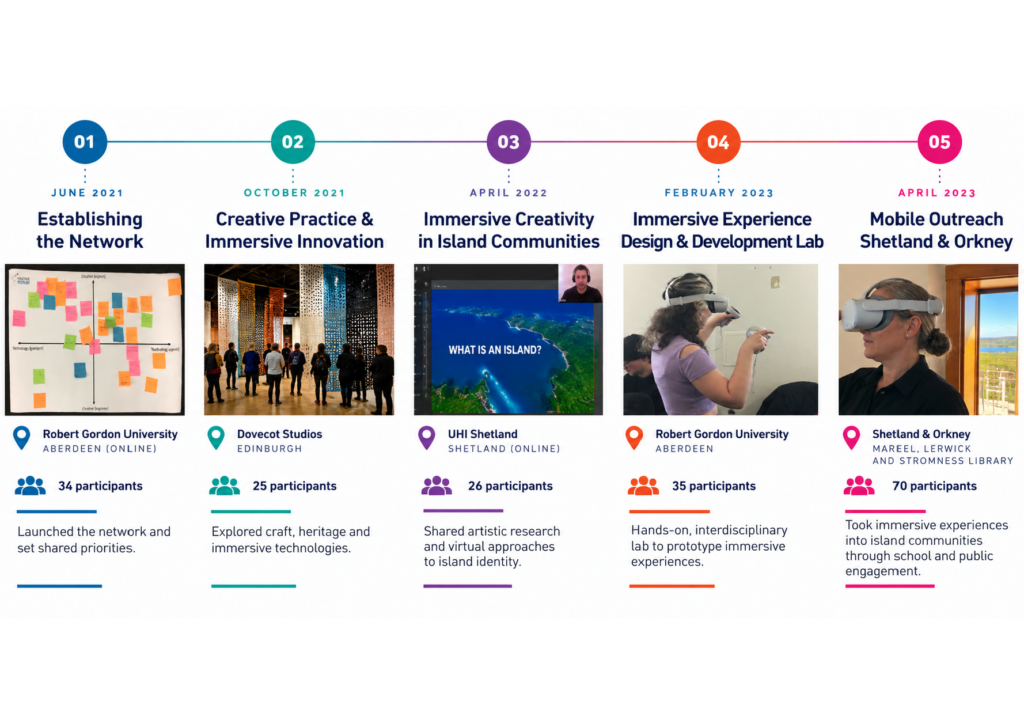
Across five network events, 190 participants engaged with immersive technologies, developed connections and shared knowledge, helping to identify future skills needs and opportunities for collaborative research and innovation.
THE RESEARCH CHALLENGE
Bridging the Gap Between Creativity and Technology
Immersive technologies offer new possibilities for creative practice, cultural heritage, education and industry. However, realising their potential requires more than access to emerging technologies. It demands new skills, interdisciplinary collaboration and opportunities for creative experimentation.
Across Scotland, creative practitioners, micro-businesses and cultural organisations faced challenges in accessing specialist equipment, technical expertise and affordable opportunities for skills development. Rapid technological change, geographical barriers and differences in professional knowledge also limited opportunities for collaboration between the creative and technology sectors.
Immersive Scotland was established to address these challenges by connecting researchers, designers, makers, technologists and cultural organisations through a national knowledge exchange network.


The research explored how immersive technologies could become more accessible, relevant and sustainable for Scotland’s creative industries, while supporting new approaches to making, learning, storytelling and audience engagement.
Central to this ambition was a commitment to bringing people and disciplines together, placing creative practice and human experience at the heart of technological innovation.
IMPACT & Legacy
Building Connections, Skills and Future Opportunities
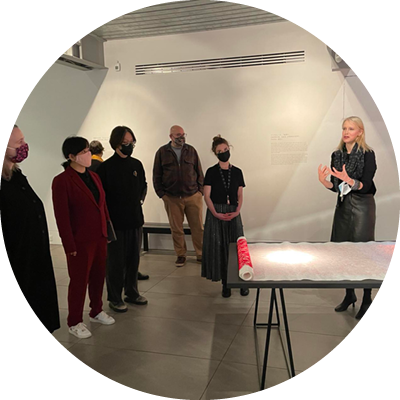
Immersive Scotland created a national platform for interdisciplinary collaboration, connecting researchers, creative practitioners, technologists, educators and cultural organisations to explore the opportunities offered by immersive technologies.
Across five events, the network engaged 190 participants, supporting knowledge exchange, creative experimentation and new connections between Scotland’s creative and technology sectors.
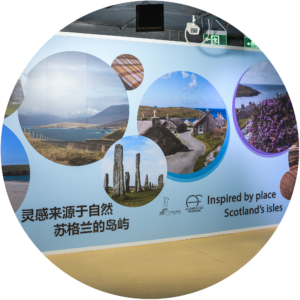
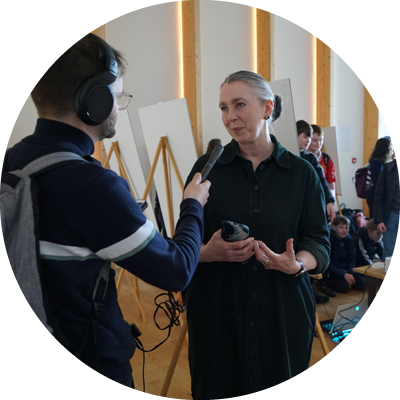
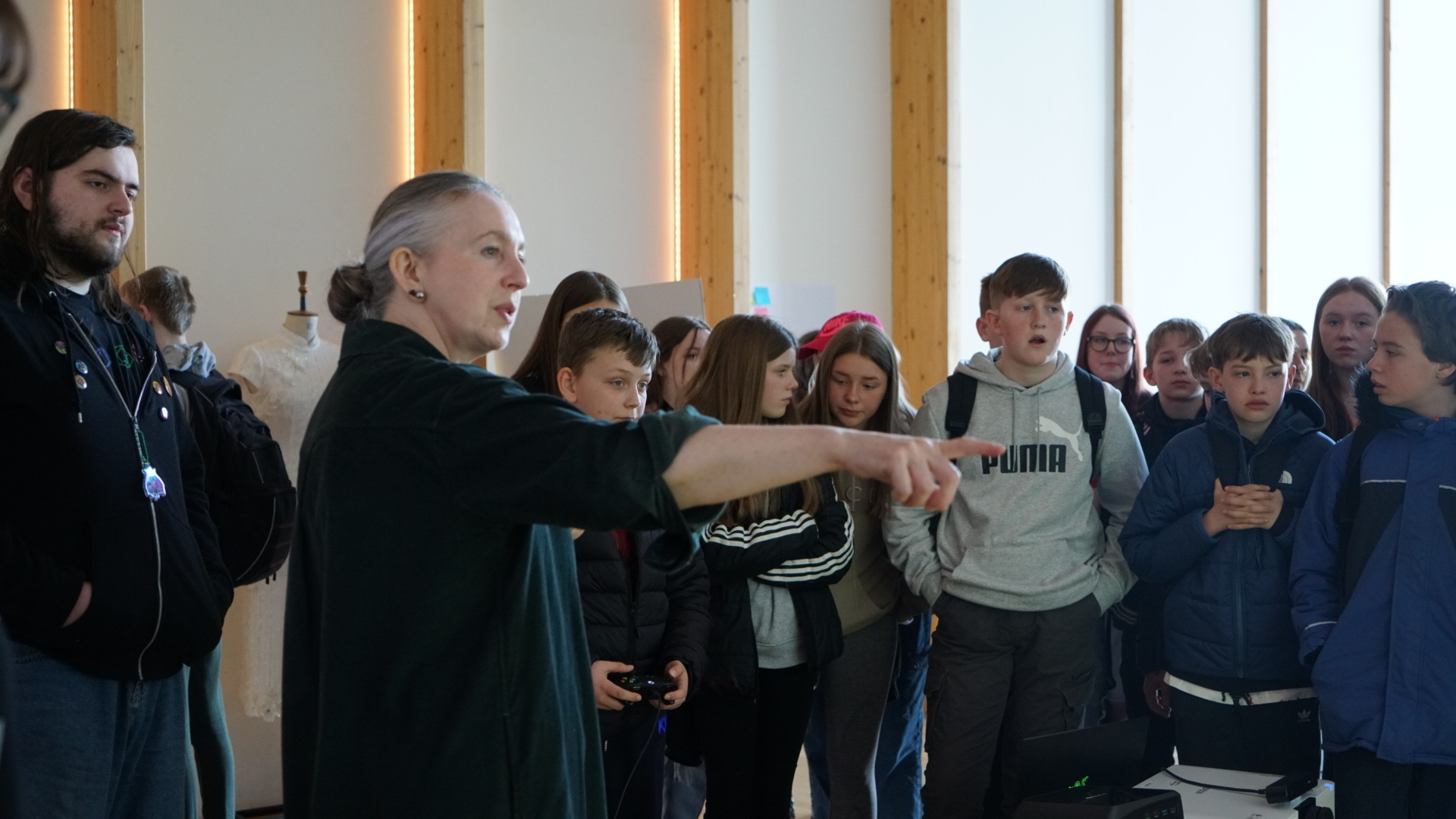
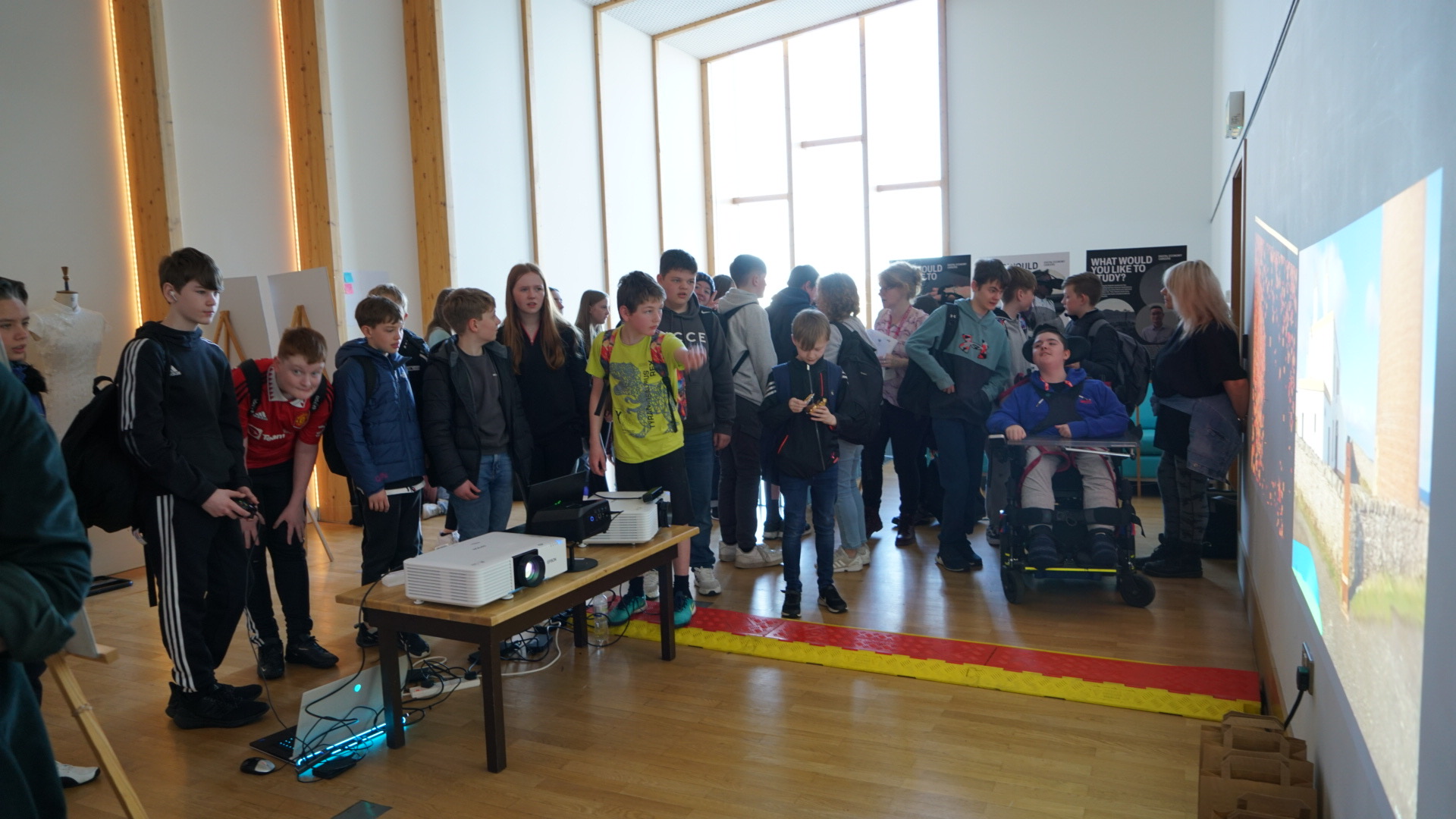
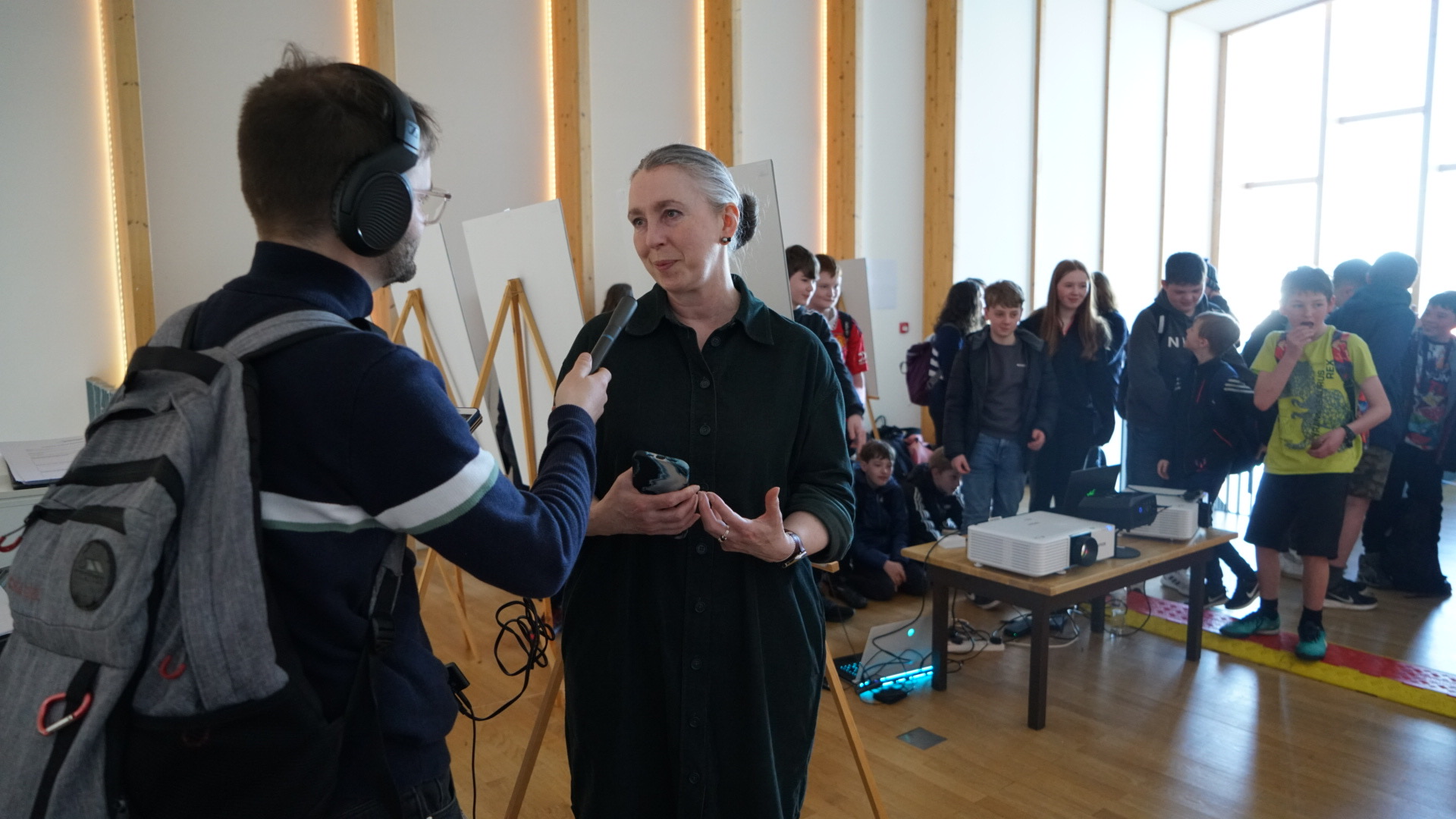
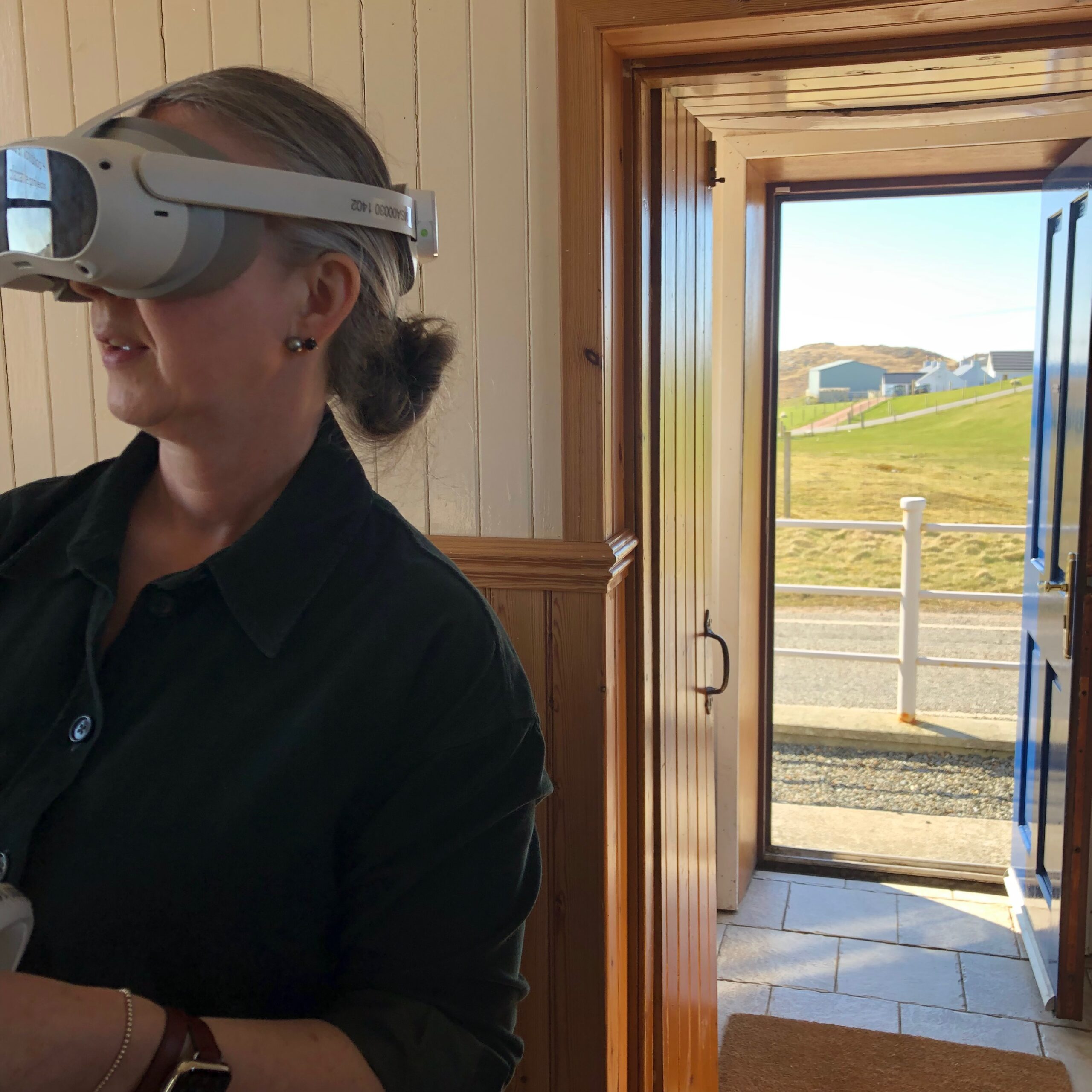
A significant achievement was extending opportunities beyond established centres of digital innovation. Through online workshops and practical outreach in Shetland and Orkney, the project widened access to immersive technologies and encouraged participation from island communities, schools, creative practitioners and members of the public.
The network also highlighted the importance of human-centred approaches to technological innovation, demonstrating how immersive experiences could support creative practice, cultural heritage, education and new forms of audience engagement.
Importantly, Immersive Scotland identified continuing challenges around technical skills, access to equipment and opportunities for interdisciplinary collaboration, providing valuable insights into the support needed by creative practitioners and smaller organisations.
The project’s lasting contribution lies in the connections established, knowledge shared and opportunities identified for future research, creative innovation and collaboration across Scotland’s cultural and creative sectors.
This continuing relationship demonstrates how industry-focused research can generate new questions, develop specialist expertise and create opportunities for innovation beyond the lifetime of an individual project.
190 Participants engaged 5 Network events 2021–23 Project activities
Funding acknowledgement: Immersive Scotland was supported by the Royal Society of Edinburgh through its Arts & Humanities Research Workshops and Networks programme.
BUILDING THE NETWORK
Connecting People, Disciplines and Places
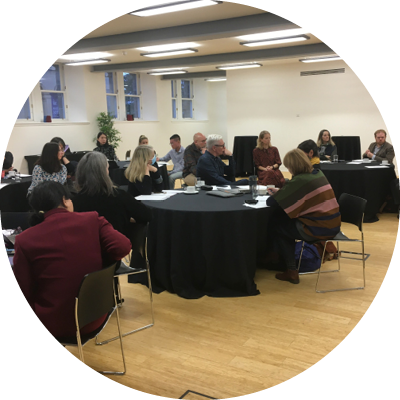
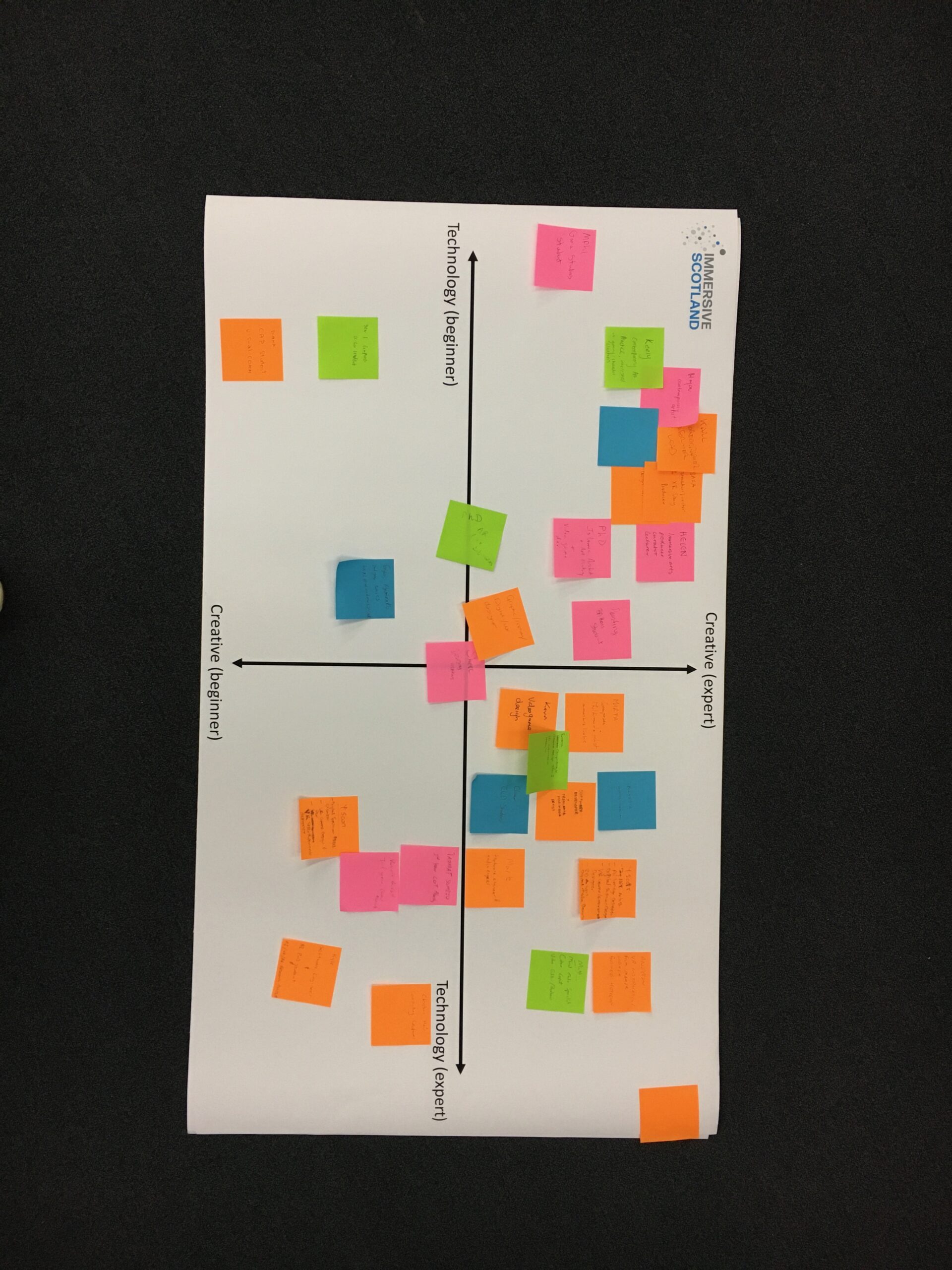
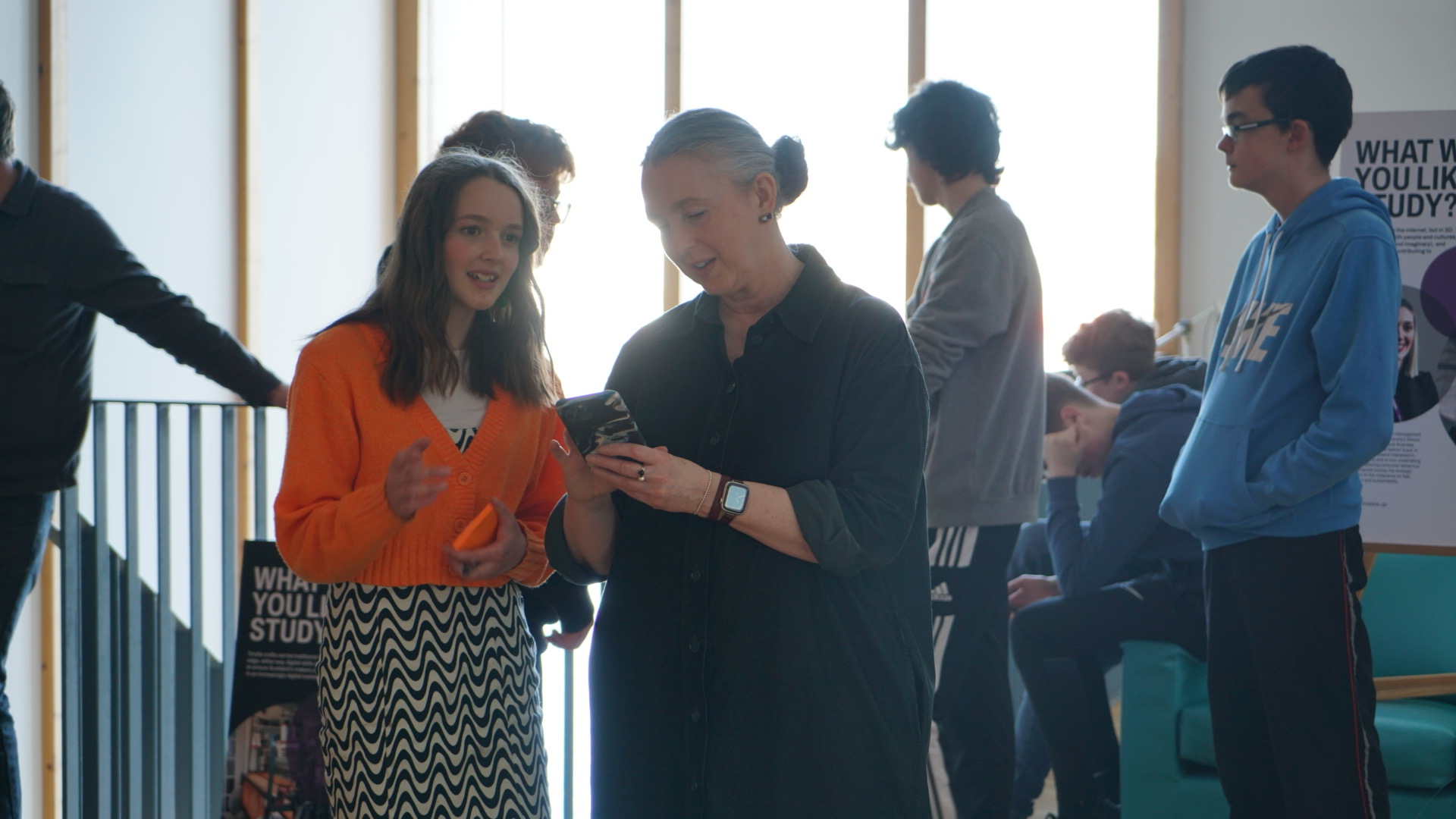
Immersive Scotland brought together a diverse network of researchers, creative practitioners, technologists, educators, businesses and cultural organisations to explore the possibilities of immersive technologies through collaboration and knowledge exchange.
Led by Robert Gordon University and supported by the Royal Society of Edinburgh, the network connected expertise across art and design, craft, computing, digital media, education, cultural heritage and the creative industries.
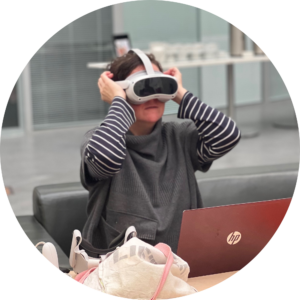
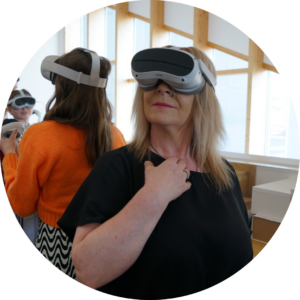
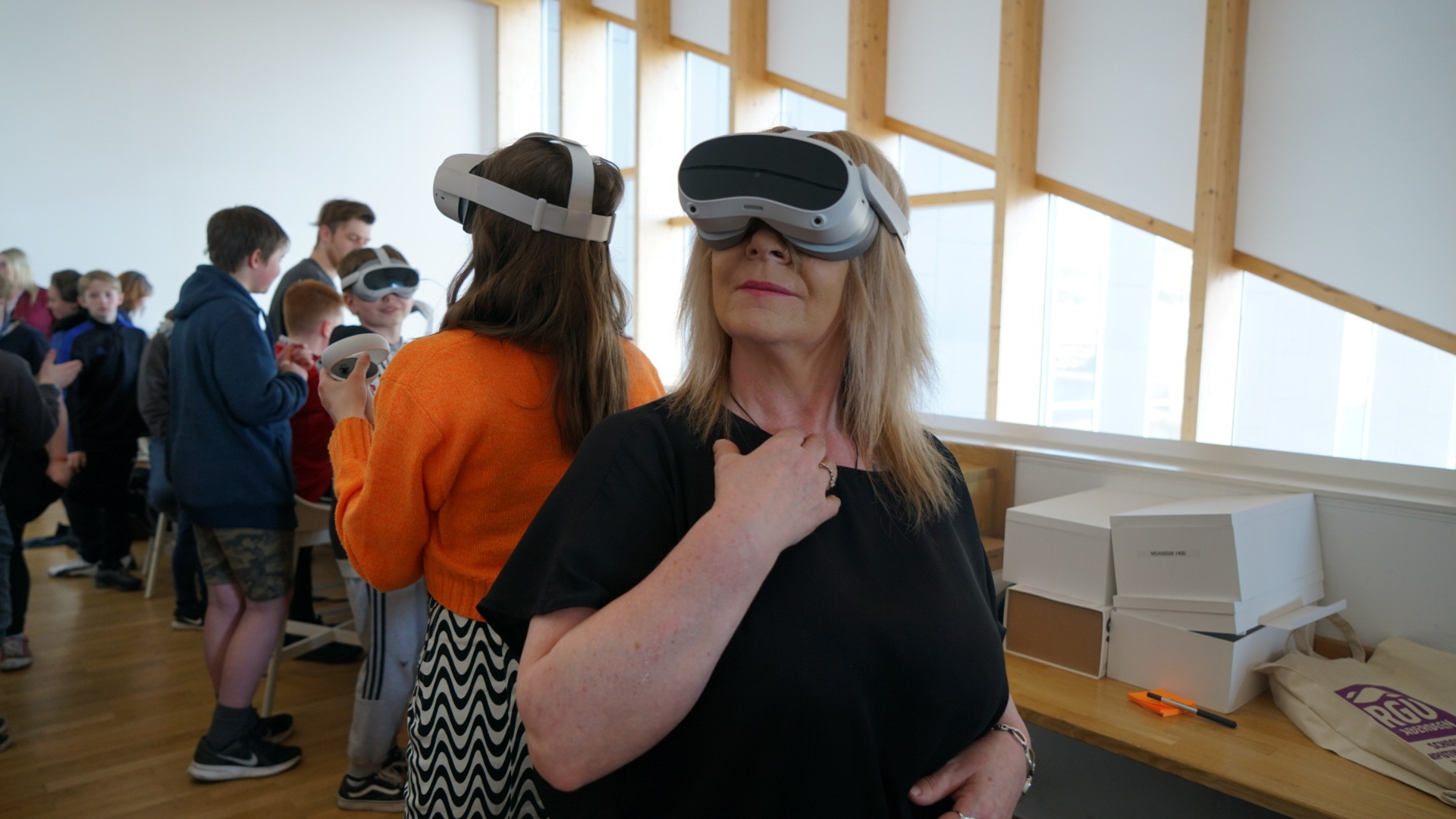
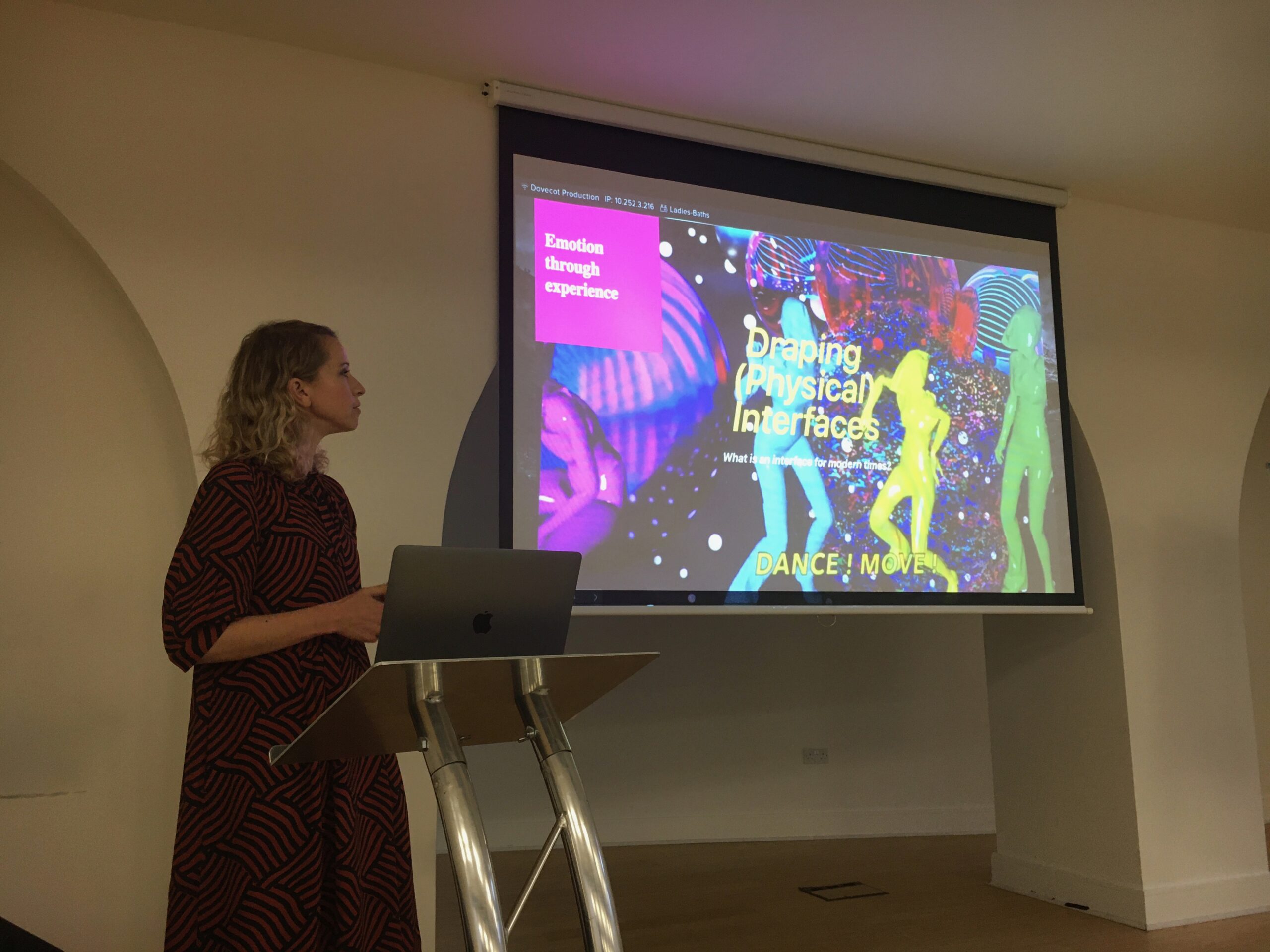
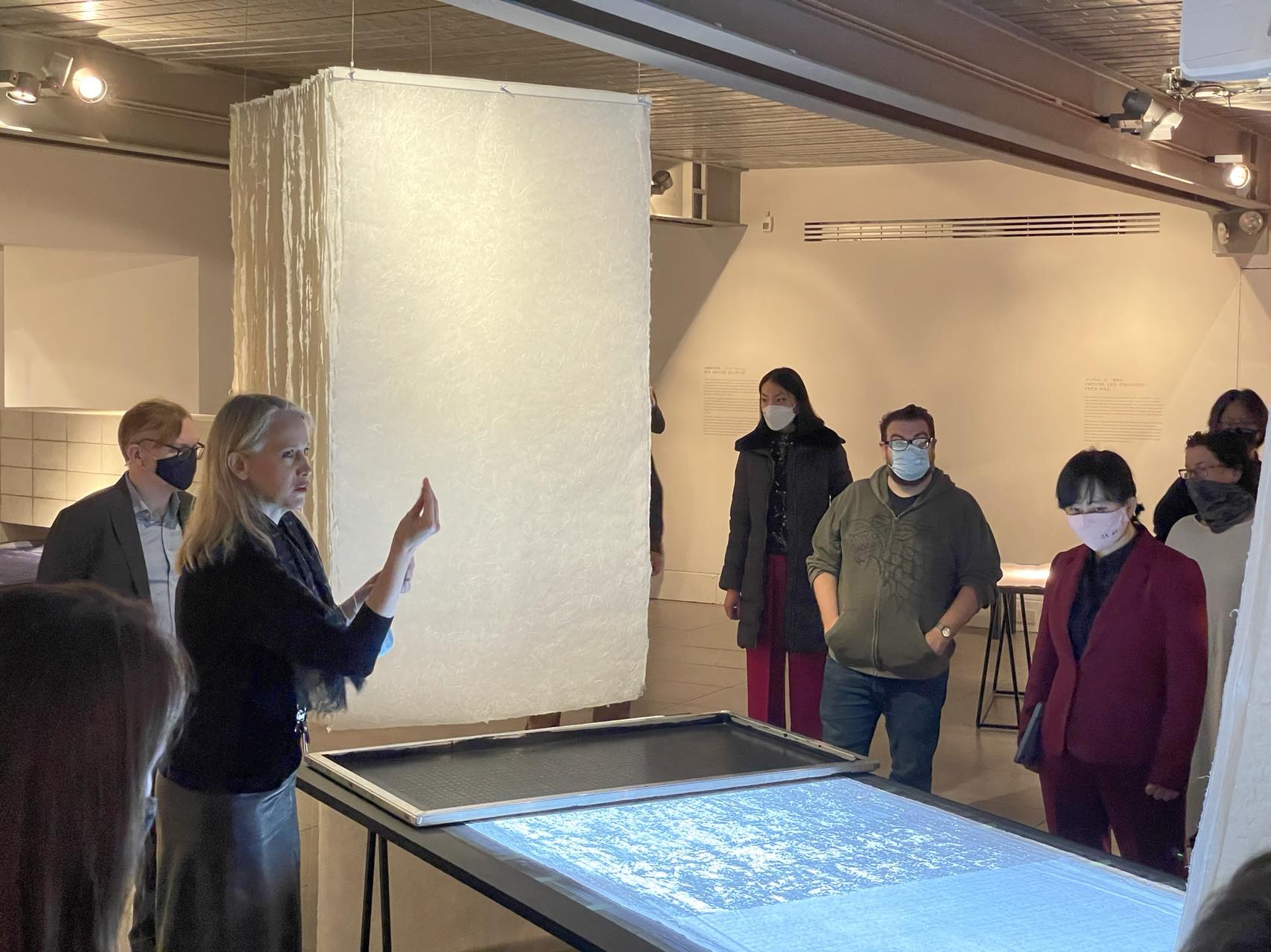
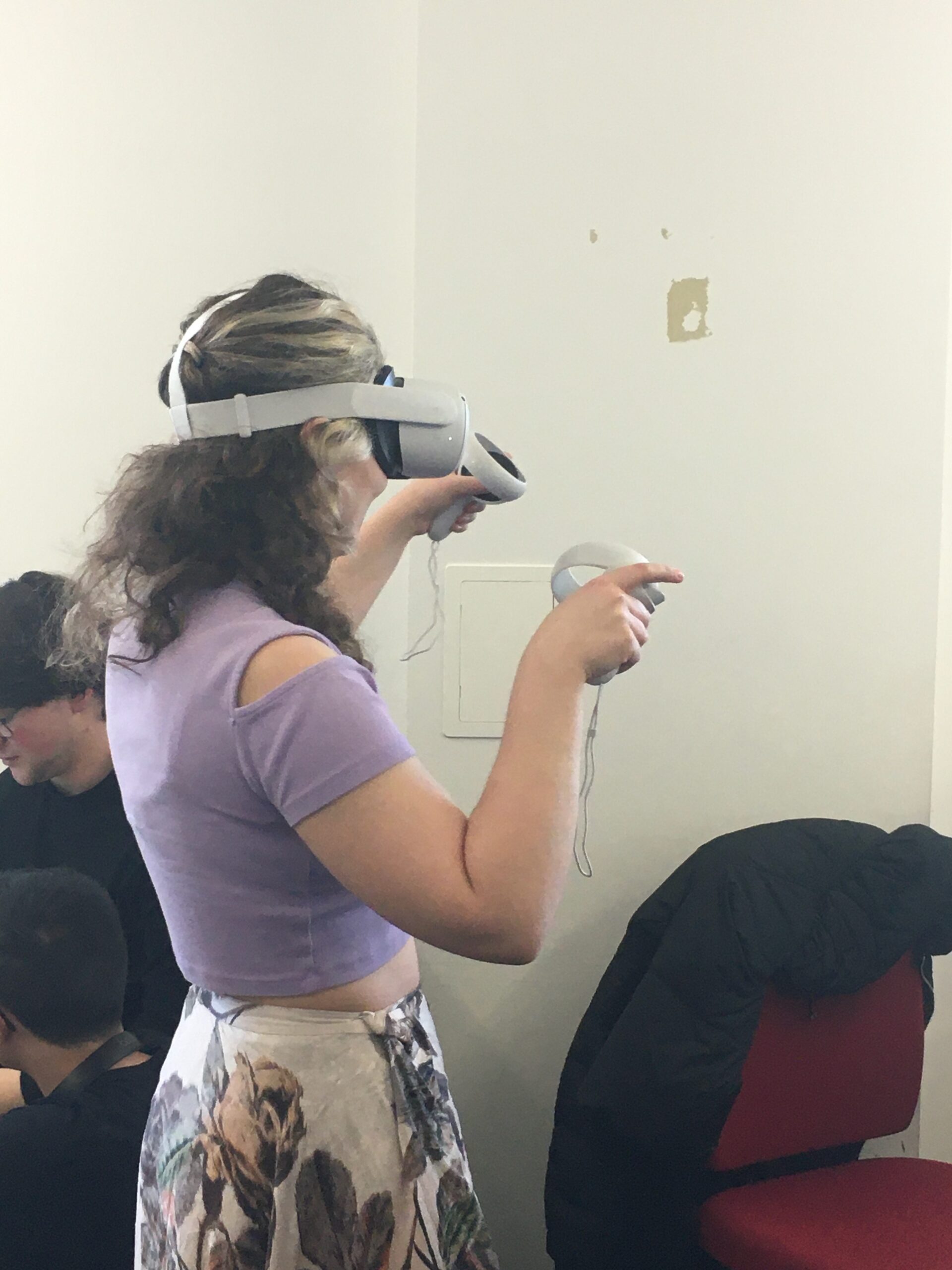
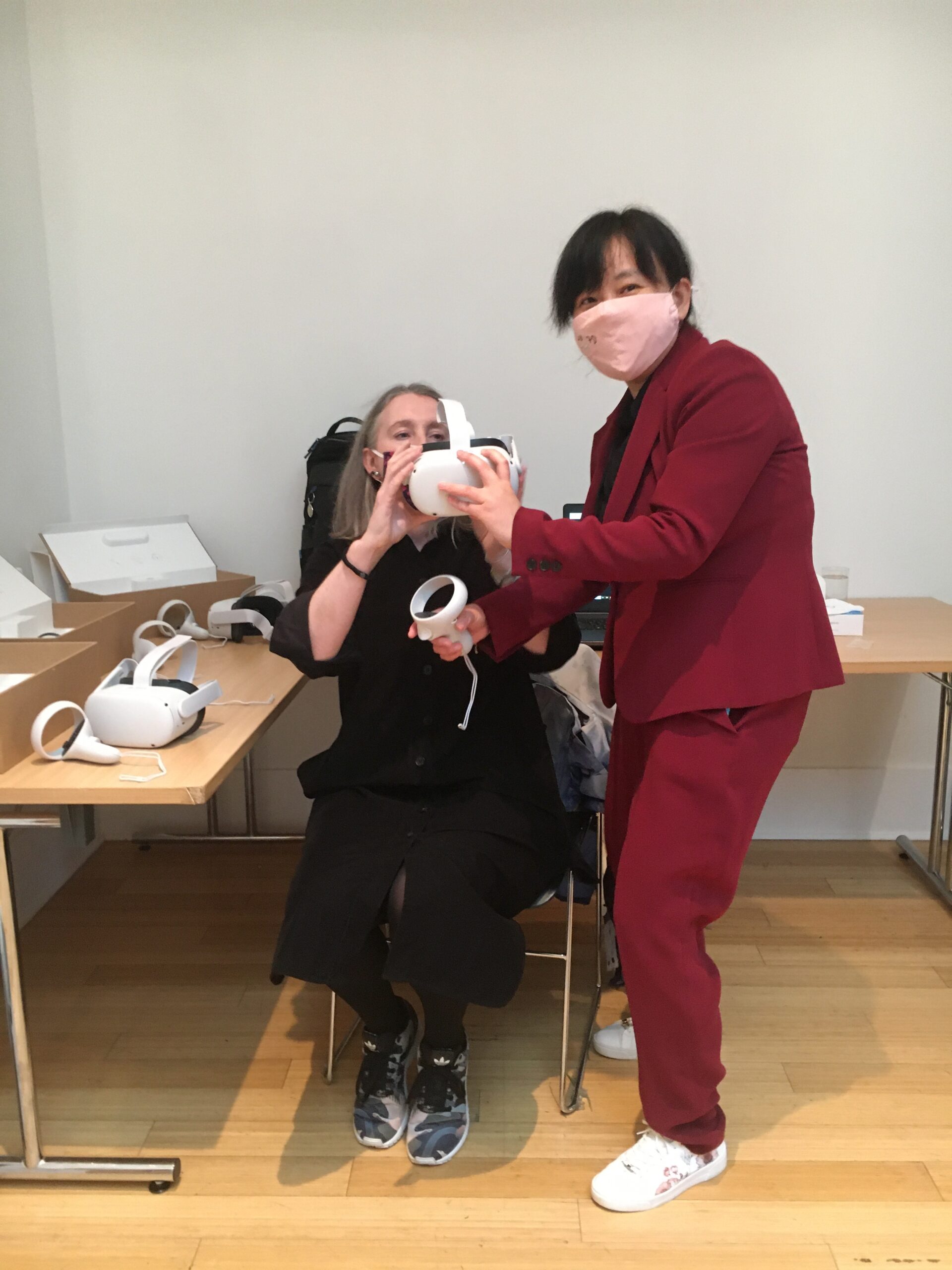
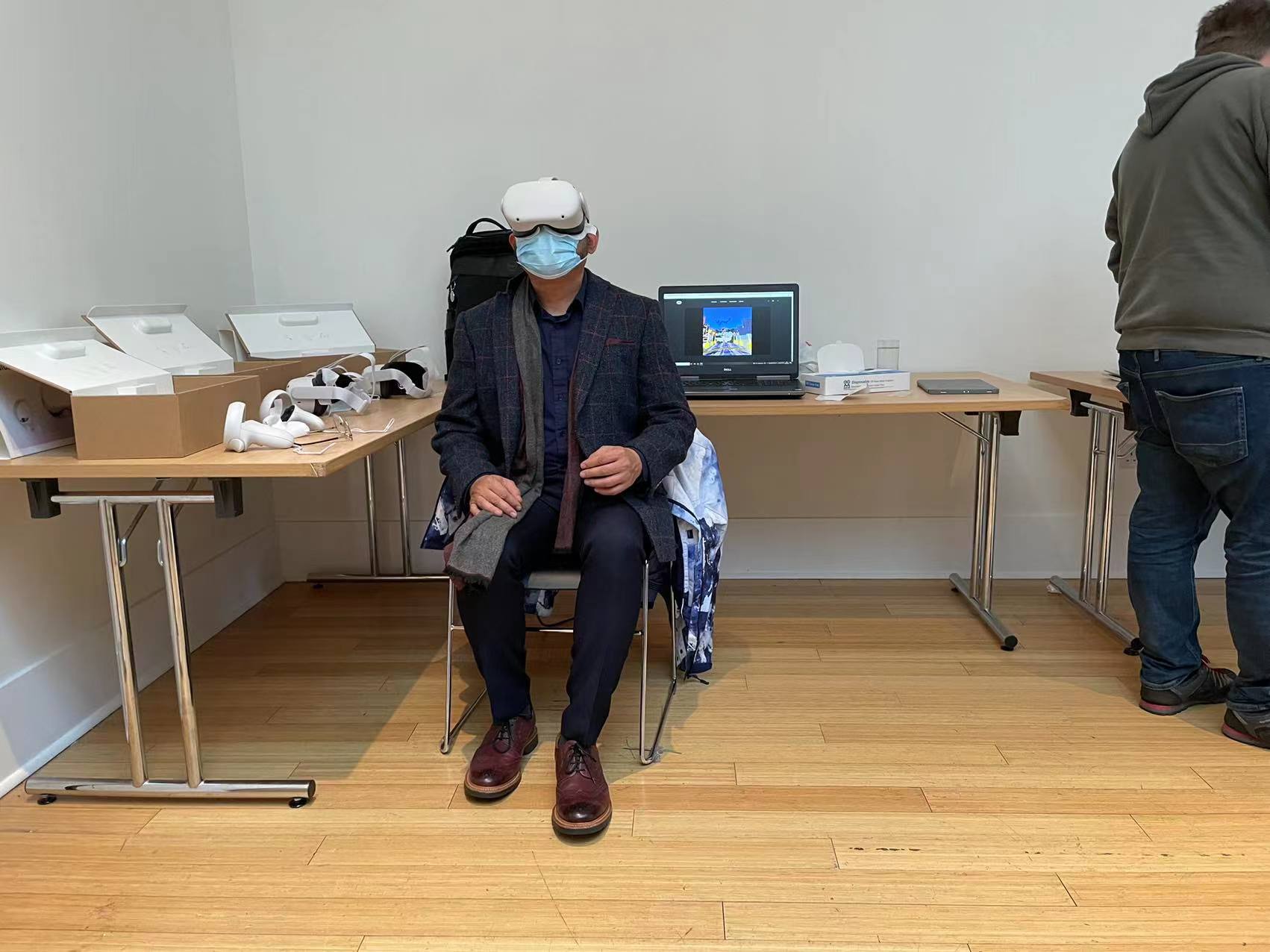
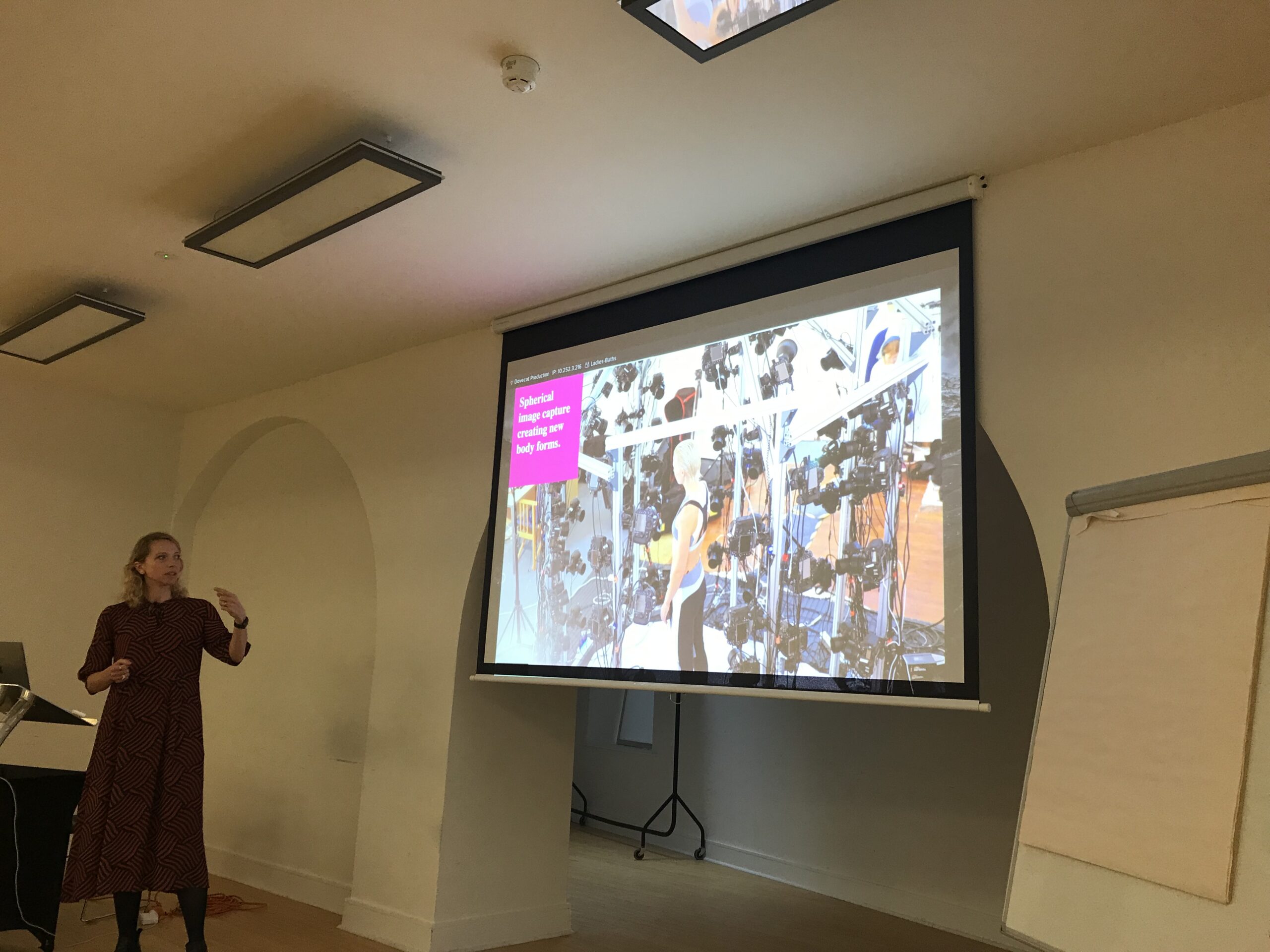
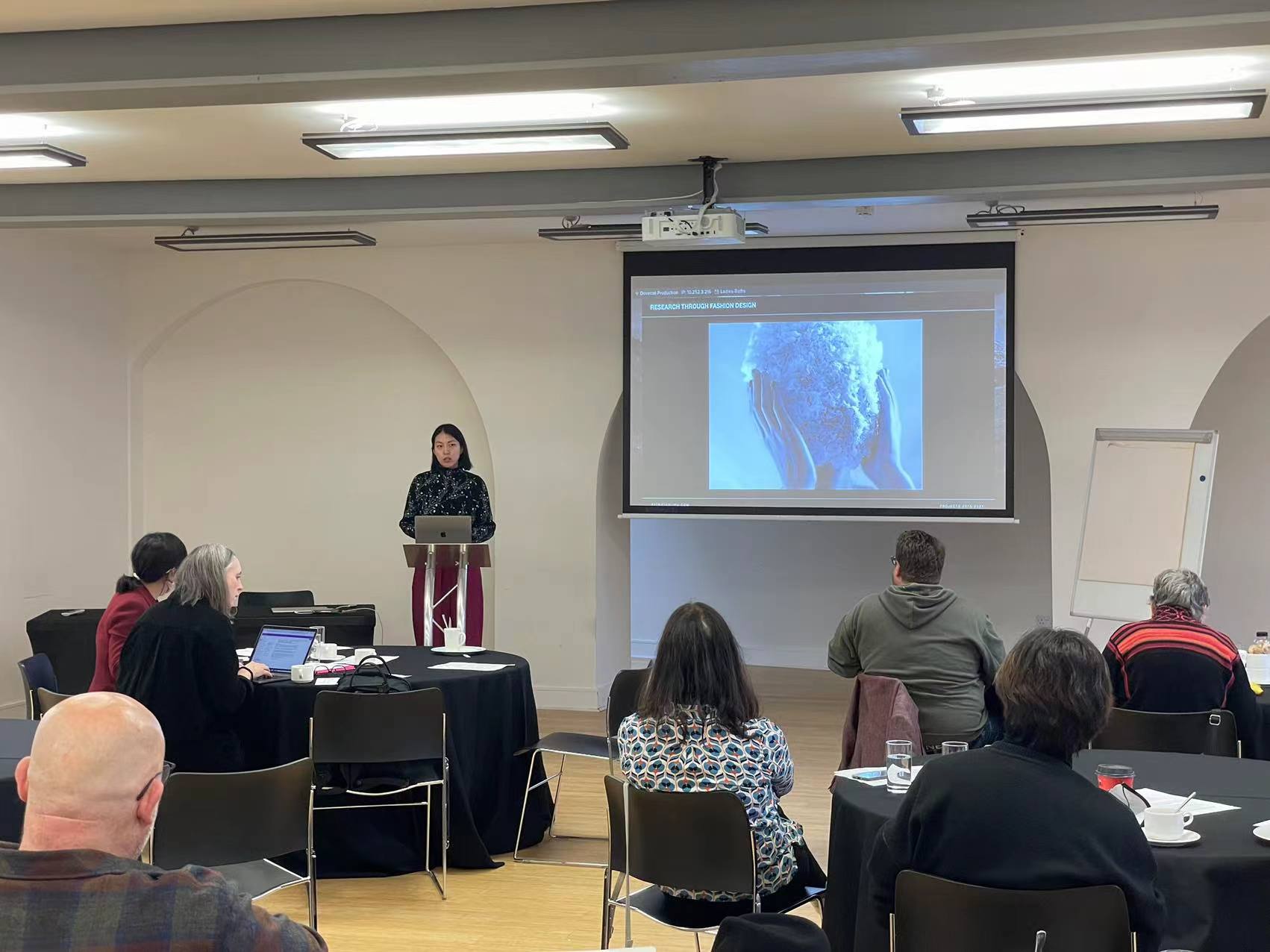
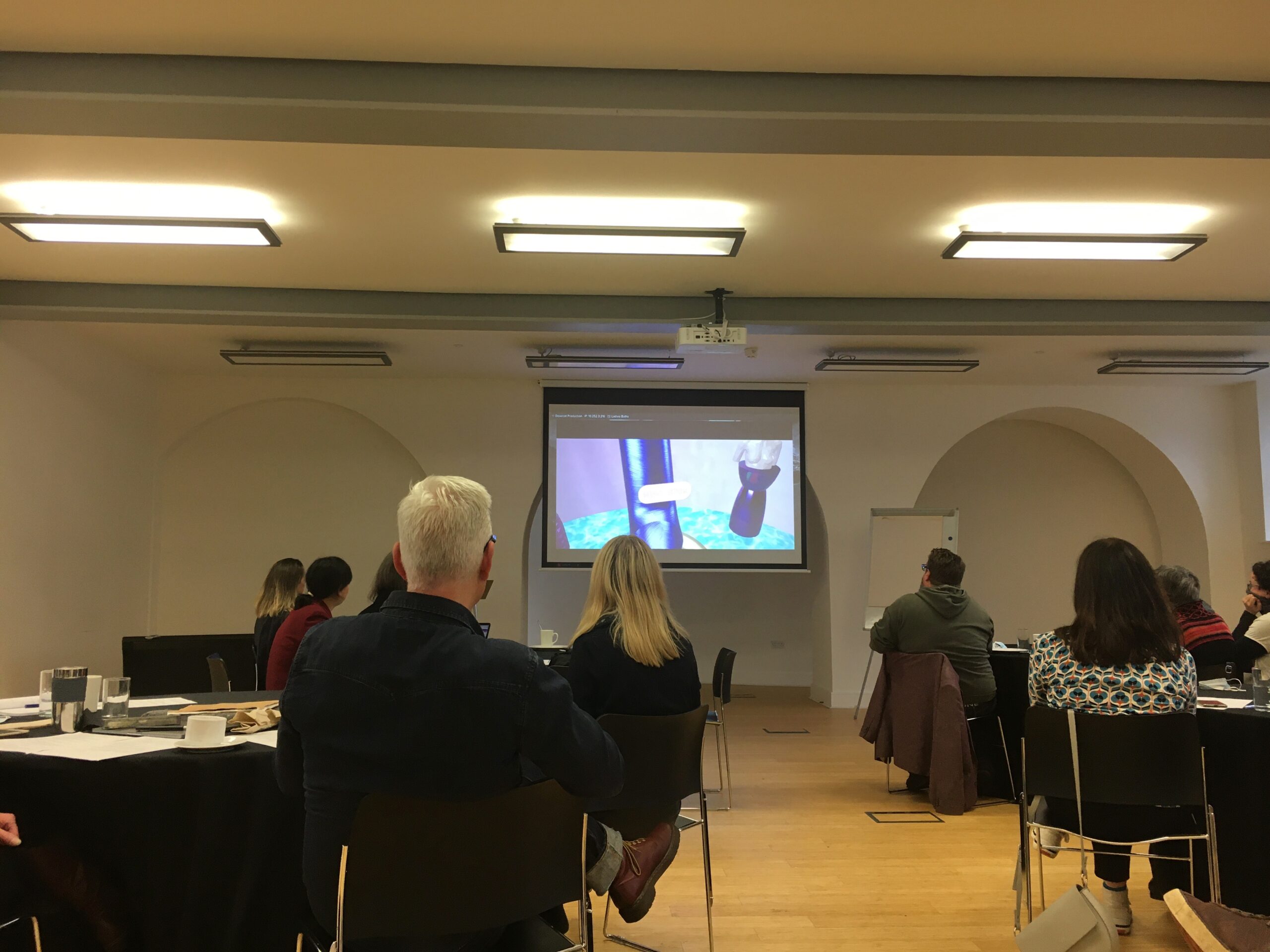
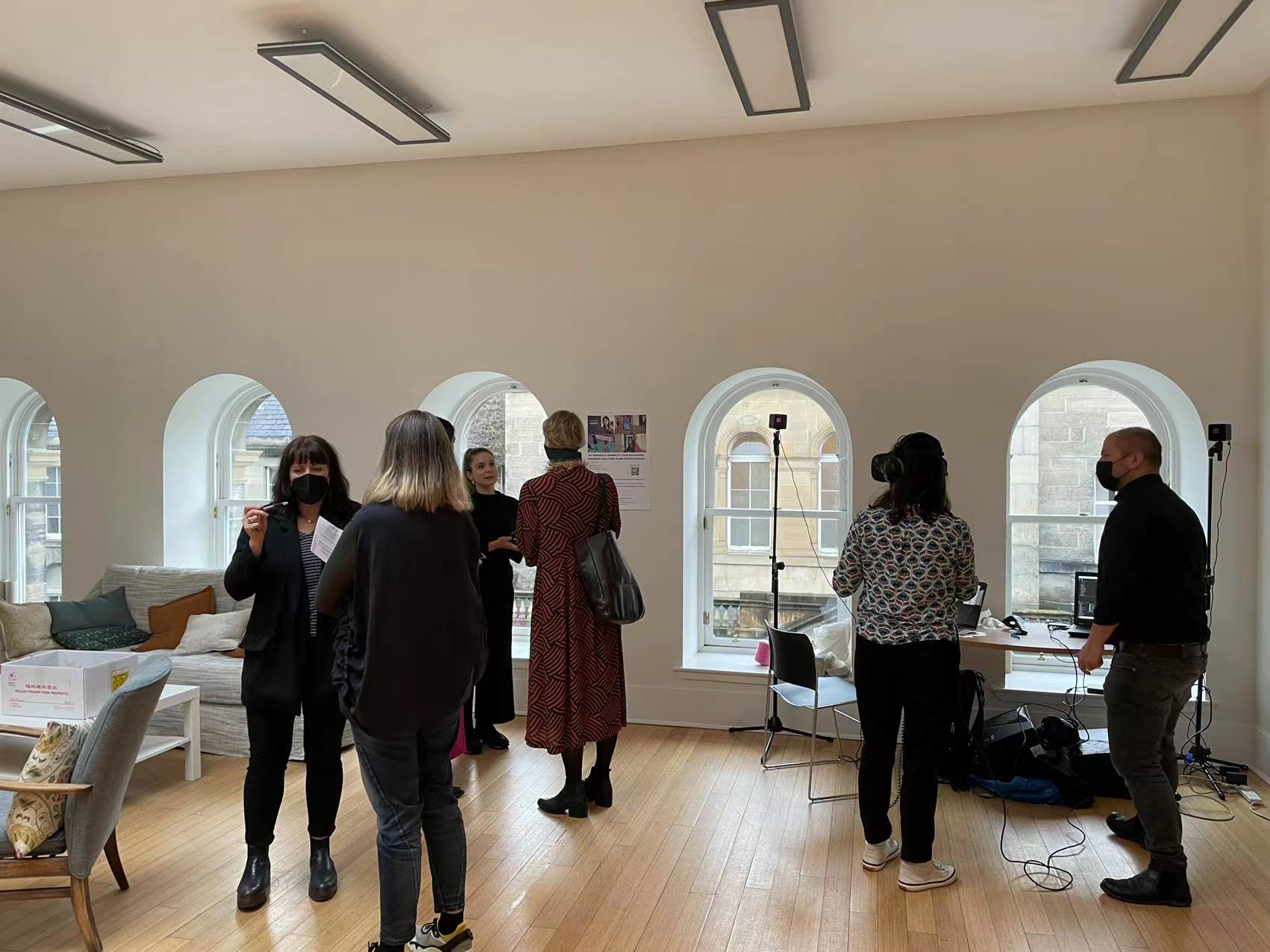
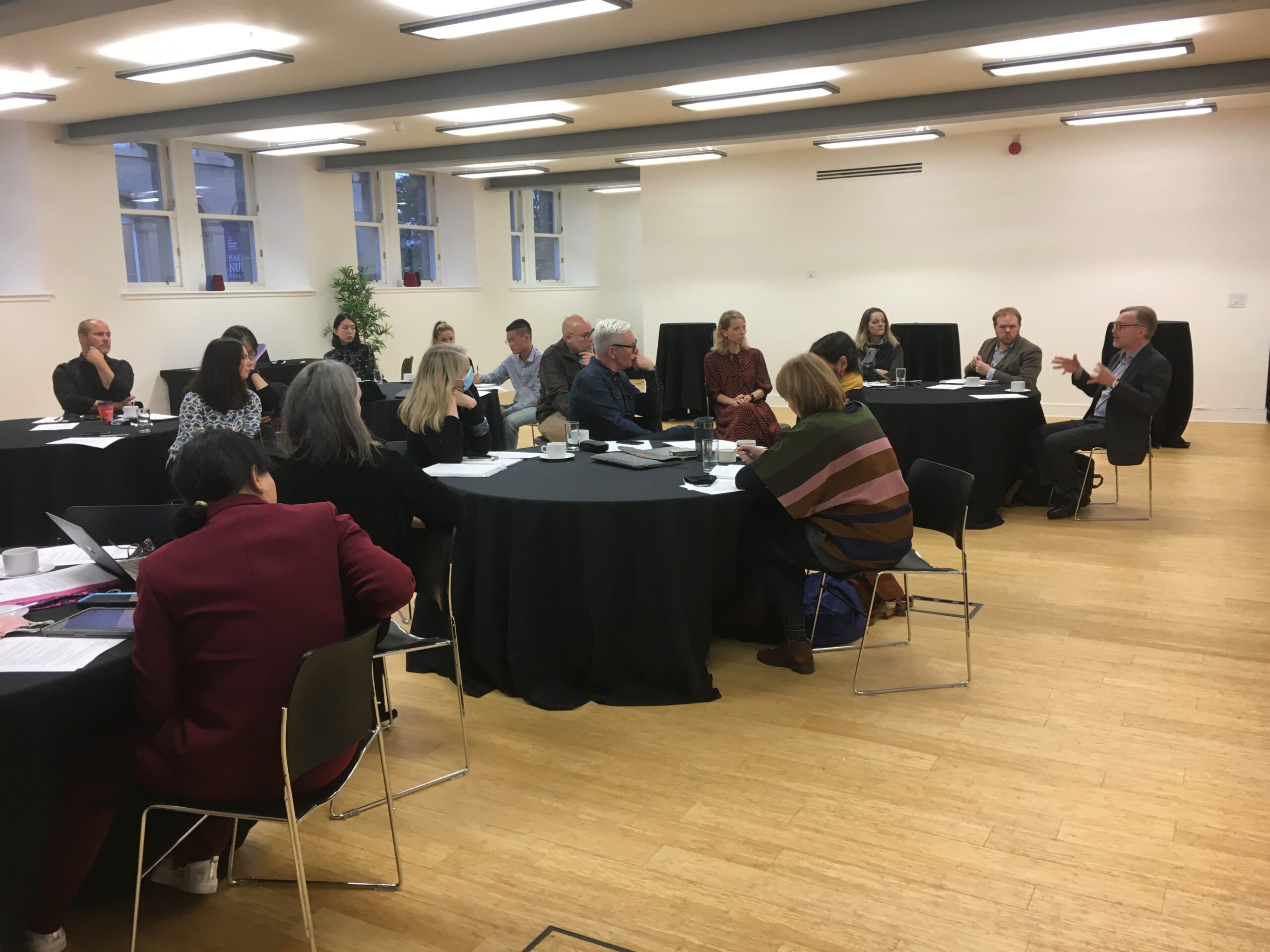
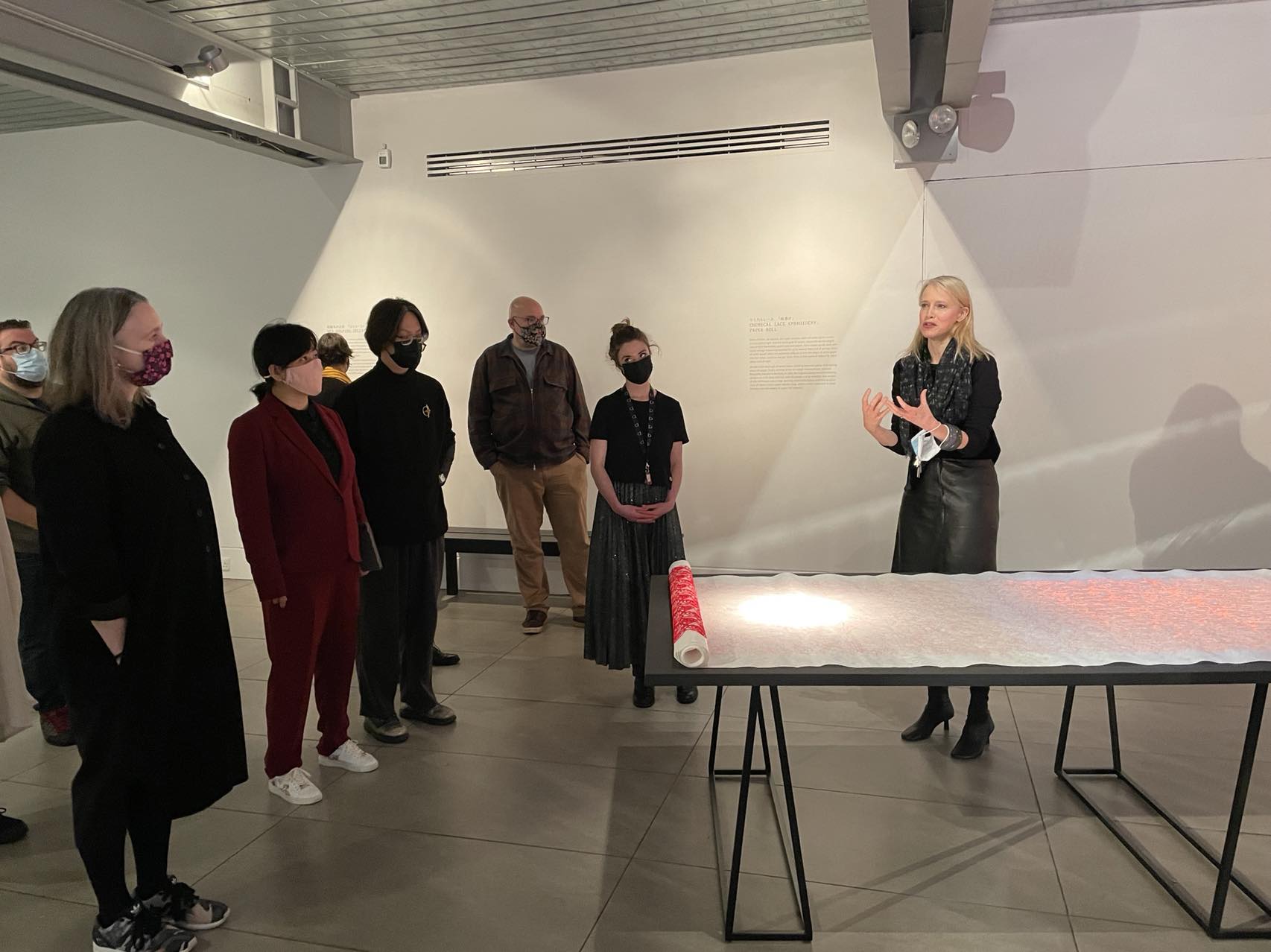
Through five events delivered between 2021 and 2023, Immersive Scotland created opportunities to share emerging research, experience immersive technologies first-hand, exchange knowledge and develop new interdisciplinary connections.
Working with university, industry and cultural partners, the network brought together perspectives from across Scotland, including Edinburgh, Aberdeen, Shetland and Orkney. Particular attention was given to connecting creative practitioners and smaller organisations with technical expertise, while widening participation beyond established centres of digital innovation.
Rather than focusing on technology alone, Immersive Scotland encouraged participants to consider how immersive experiences could enhance creative practice, communicate cultural heritage, support learning and strengthen connections between people and places.
At its heart, the network was about bringing different forms of knowledge together, creating opportunities for collaboration, experimentation and future innovation.
Workshop Summaries